

The Soul of Villages and the Wisdom of Hands: Michele De Lucchi in Conversation
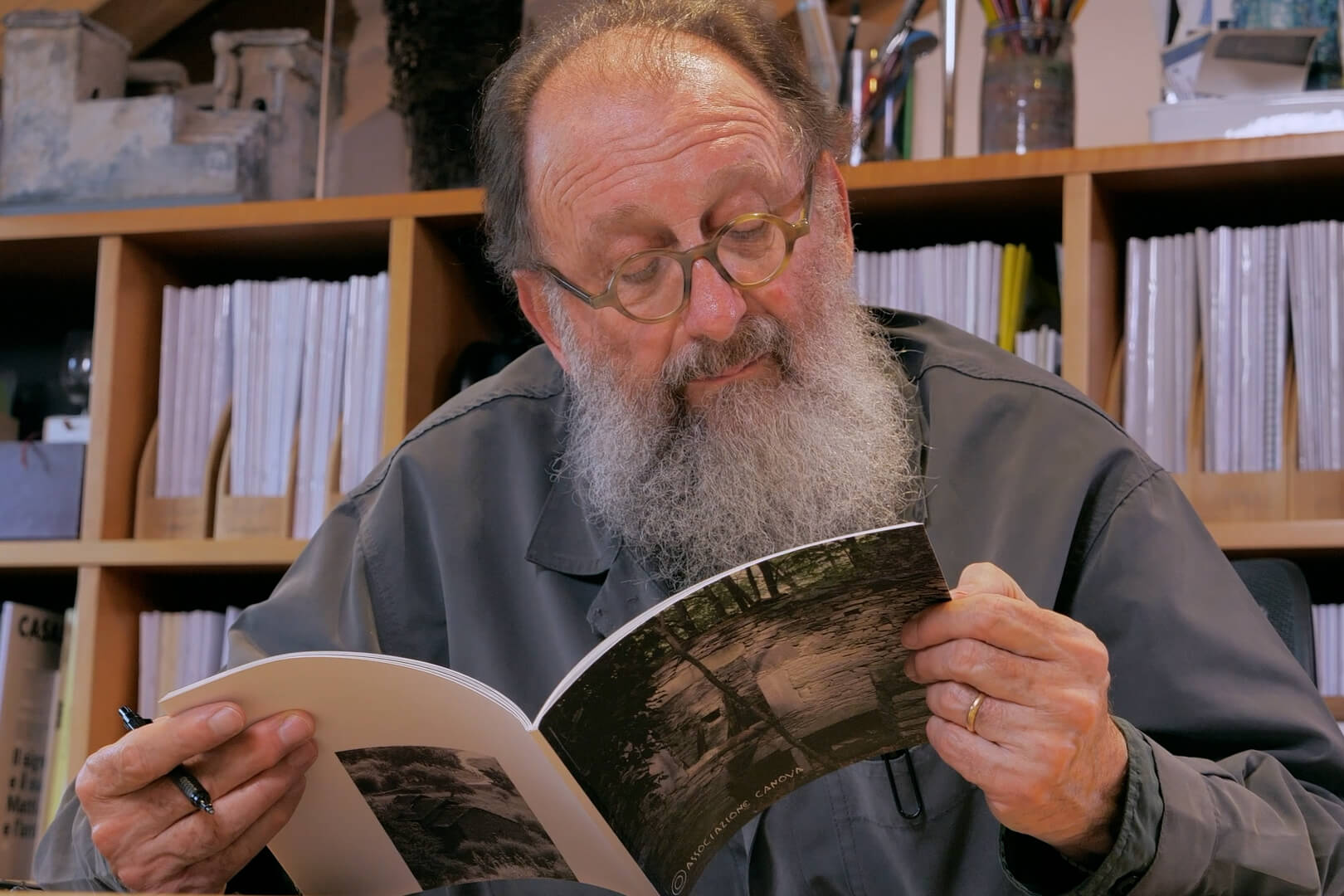
At the AMDL Circle studio in Milan, Maurizio Cesprini of Fondazione Canova met with architect Michele De Lucchi for a deep reflection on the destiny of historic heritage and the future of living. The dialogue opens with the fragility and beauty of Italian villages, described by De Lucchi as places of undeniable charm, yet now deprived of the self-sufficient and frugal society that originally shaped them. Although contemporary life demands a level of services that small communities struggle to provide, the village remains a model of social cohesion that is far stronger than the alienation and conflict often found in the apartment buildings of large cities.
At the heart of the interview is the relationship between human beings and material. De Lucchi highlights the tension between the industrialised environment—perfect, durable, yet standardised—and the artisanal one, where imperfection becomes a value because it bears witness to the “mental suspension” and the hand of the maker. This is not a matter of choosing one over the other: industry and craftsmanship must coexist, just as the rational and emotional mind must coexist. In this context, the education of new generations is crucial. For architecture students, getting their hands dirty on restoration sites is essential in order to understand attention to detail and the human dimension of building that lies behind every stone laid centuries ago.
The architect then offers a comparative взгляд toward Japan, where preservation does not focus on maintaining the original material of a building—as is the case in Italy—but rather on safeguarding the skills of master craftspeople, the so-called “living cultural assets,” who are capable of reconstructing a work identical to the original.
The architect then offers a comparative взгляд toward Japan, where preservation does not focus on maintaining the original material of a building—as is the case in Italy—but rather on safeguarding the skills of master craftspeople, the so-called “living cultural assets,” who are capable of reconstructing a work identical to the original.

